Kitchen Modifications for Seniors: Maintaining Cooking Independence & Dignity | Install Mavens
This article examines how thoughtful kitchen modifications—specifically, lowered counter tops and accessible storage solutions—can enable seniors to maintain their cooking independence, preserve their dignity, and continue to enjoy the joy of preparing meals in their own homes.
The Heart of the Home: Why Kitchen Independence Matters
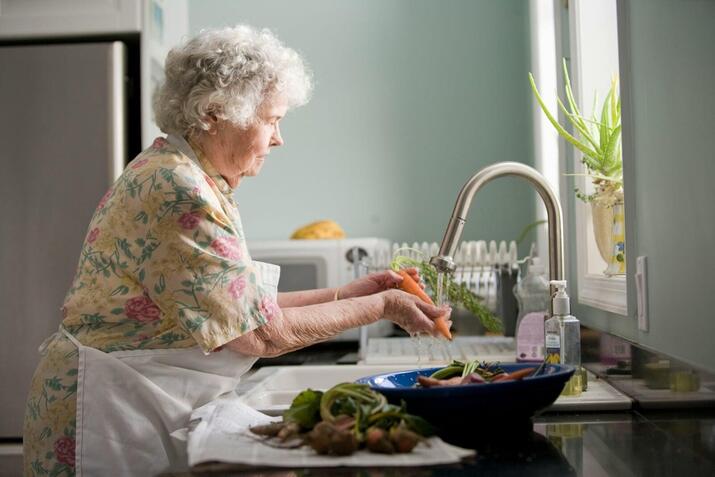
When I think about aging-in-place modifications, the kitchen often becomes the most emotionally charged space we discuss with clients. This isn't just about meal preparation—it's about identity, autonomy, and the continuation of rituals that have defined someone's life for decades.
The kitchen represents independence in its purest form.
For many seniors, the ability to prepare their own meals connects directly to their sense of self-worth and capability. Research consistently shows that loss of cooking ability often precedes or accelerates cognitive decline, not because cooking itself prevents dementia, but because it represents a complex activity that engages multiple cognitive and physical systems simultaneously.
From my experience working with seniors and their families, I've observed that when someone can no longer safely use their kitchen, several things happen:
The good news? Strategic kitchen modifications can extend cooking independence by years, sometimes decades. And unlike many medical interventions, these modifications address both the practical challenges and the emotional needs simultaneously.
The Lowered Countertop Solution: Accessibility Without Compromise
Traditional kitchen countertops sit at 36 inches—a height optimized for standing work by average-height adults. But this standard creates significant barriers for:

Wheelchair users who need 28-34 inch work surfaces
Individuals with limited standing tolerance who need seated work options
Those with arthritis or joint pain who struggle with overhead reaching
People with balance issues who need stable, lower surfaces for support
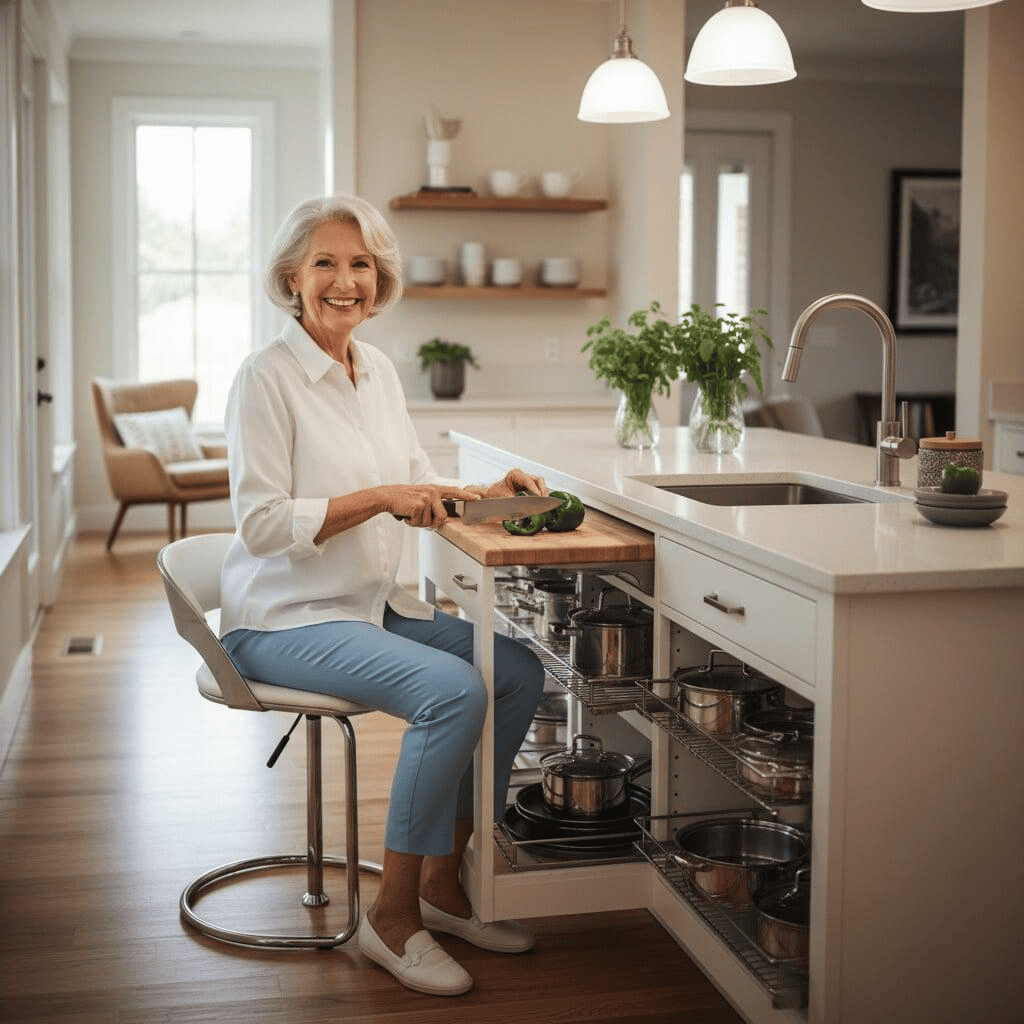
Lowered countertops aren't about making concessions—they're about strategic redesign. When properly implemented, they maintain full functionality while dramatically improving safety and reducing fatigue.
Design Approaches That Work
Based on Install Mavens' assessment process and ADA compliance standards, here are the most effective lowered countertop strategies:

"I can make my granddaughter's birthday cake again without my daughter hovering, worried I'll fall."
"I don't have to ask for help chopping vegetables anymore. I can do it sitting down at my own pace."
The Dignity Dimension
These aren't just functional improvements—they're dignity preserved through thoughtful design.

"It sounds small, but being able to prepare my own breakfast without pain means I start every day feeling capable instead of defeated."
"These aren't just functional improvements—they're dignity preserved through thoughtful design."
Accessible Storage: Reducing Strain, Increasing Safety
Lowered counter tops address work surface accessibility, but storage modifications determine whether someone can actually access the ingredients, tools, and equipment needed for cooking. Traditional upper cabinets and deep lower cabinets create multiple barriers:
Overhead reaching stresses shoulders, increases fall risk, and becomes impossible for many seniors
Deep base cabinets require bending, kneeling, or crawling to access items in back
Heavy doors strain arthritic hands and wrists
Poor visibility leads to forgotten items and duplicate purchases
Storage Solutions That Transform Kitchen Accessibility
Pull-Out Shelving Systems
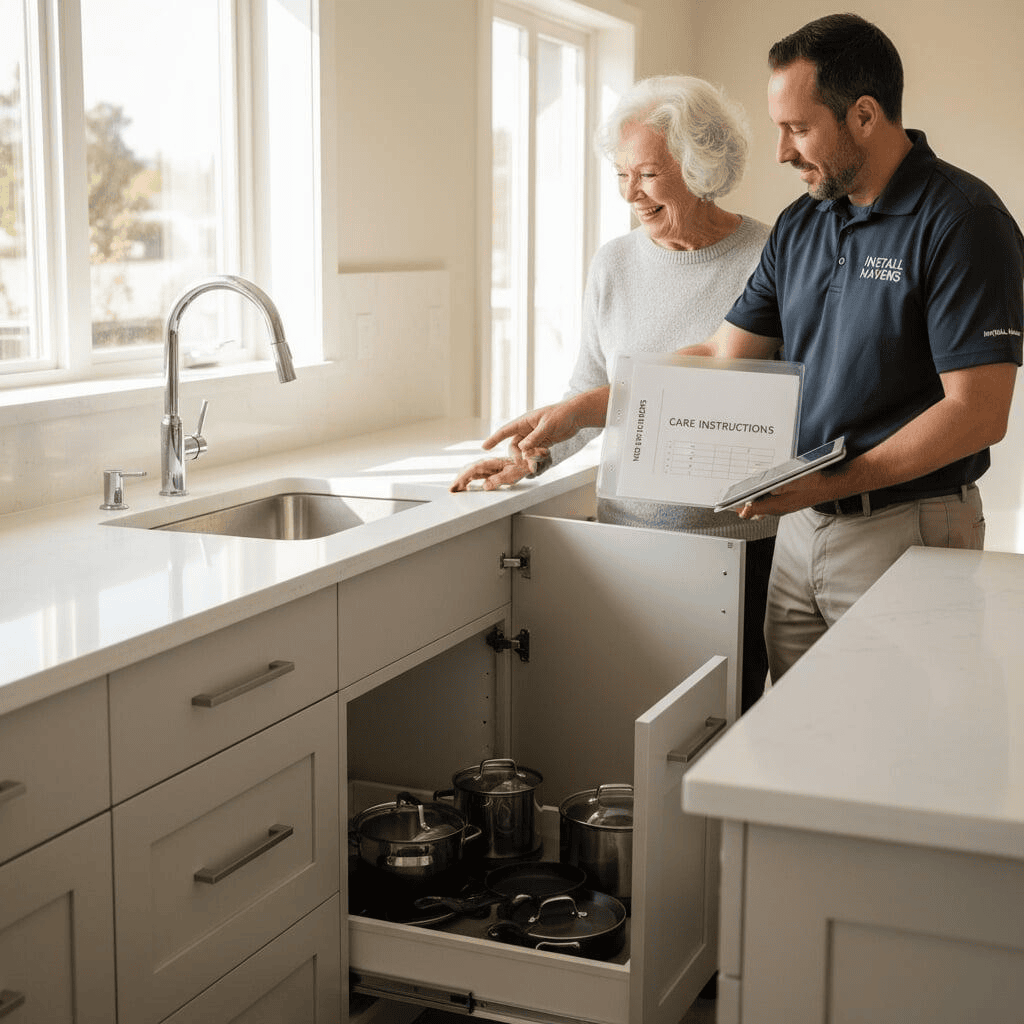
The single most impactful storage modification we install is pull-out shelving in base cabinets. These systems:
Bring items to the user rather than requiring reaching or bending
Provide full visibility of cabinet contents
Reduce strain on back, knees, and joints
Cost $300-$1,500 depending on number of cabinets modified
For clients with arthritis, we recommend soft-close mechanisms that eliminate the need for gripping and pulling force.
Lowered Upper Cabinet Installation
Rather than eliminating upper cabinets entirely, we often lower them to 12-15 inches above the countertop (versus the standard 18 inches). This modification:
Keeps frequently used items within easy reach
Maintains storage capacity
Reduces fall risk from reaching overhead
Works particularly well above lowered countertop sections
Lazy Susans and Corner Solutions
Corner cabinets traditionally waste space and create accessibility nightmares. Installing lazy Susan systems or pull-out corner units transforms these spaces into highly accessible storage for:
Pots and pans
Small appliances
Dry goods and canned items
Mixing bowls and baking supplies
Lever-Style Hardware
We replace traditional knobs with lever-style pulls on all cabinets and drawers. This seemingly minor change makes a dramatic difference for clients with:
Arthritis or reduced grip strength
Limited fine motor control
Wet or soapy hands during cooking
The cost is minimal ($75-$200 for hardware replacement) but the daily impact is substantial.
The Psychological Impact of Accessible Storage
When seniors can independently access their cooking tools and ingredients, several psychological benefits emerge:
Spontaneity Returns: They can cook when inspiration strikes rather than waiting for help or planning around assistance schedules.
Confidence Builds: Successfully retrieving items without struggle reinforces capability and independence.
Meal Quality Improves: Access to full pantry and equipment range enables more varied, nutritious meals.
Social Engagement Increases: The ability to host and cook for others maintains social connections and purpose.
"I stopped inviting my book club over because I couldn't reach my good dishes or serving platters without help. Now with the pull-out shelves, I'm hosting again. It's not about the dishes—it's about being able to welcome people into my home on my own terms."


Beyond Functionality: The Dignity Factor
Throughout this article, I've emphasized dignity alongside functionality because they're inseparable in aging-in-place modifications. Let me explain why this matters so deeply.
Dignity isn't about pride—it's about autonomy. When we preserve someone's ability to cook independently, we're preserving their right to:
Make choices about what and when they eat
Maintain lifelong skills and knowledge
Contribute to household and family life
Express creativity and personal taste
Control their own daily routine
These aren't luxuries—they're fundamental to quality of life and mental health.
The Ripple Effect of Kitchen Independence
- Family Dynamics Improve: Adult children worry less and can shift from caregiver to companion during visits. The relationship dynamic stays healthier longer.
- Healthcare Costs Decrease: Better nutrition, maintained cognitive engagement, and reduced fall risk all contribute to lower healthcare utilization and delayed institutional care needs.
- Community Connection Strengthens: Seniors who can cook for others maintain social roles and reciprocal relationships rather than becoming solely care recipients.
- Purpose Persists: Daily meal preparation provides structure, accomplishment, and ongoing purpose—all protective factors against depression and cognitive decline.
Real Stories, Real Impact
I'll conclude with a story that illustrates why this work is important beyond its technical specifications and ADA compliance standards.
We worked with a client—let's call her Margaret—who had been an accomplished home cook her entire adult life. At 78, arthritis and balance issues were making her kitchen increasingly dangerous and frustrating. Her daughter was pushing for assisted living, primarily because Margaret had stopped cooking and was eating poorly.
We installed:
A 30-inch lowered countertop section for seated prep work
Pull-out shelving in all base cabinets
Lowered upper cabinets above the work zone
Lever hardware throughout
A pull-out cutting board at wheelchair height
Total investment: $3,200
Six months later, Margaret's daughter called to thank us. Margaret was cooking again—not just heating prepared meals, but actually cooking. She'd hosted Thanksgiving dinner for the first time in three years. Her mood had improved dramatically. The assisted living conversation had been tabled indefinitely.
The daughter said something I'll never forget: "You didn't just modify her kitchen. You gave her back her identity. She's Mom again, not just someone we take care of."
That's the dignity factor. That's why kitchen modifications matter.
Conclusion
Maintaining cooking independence as we age isn't about stubbornly clinging to the past—it's about thoughtfully adapting our environments so our capabilities can shine through despite physical changes.
Lowered counter tops and accessible storage aren't concessions to aging; they're strategic design choices that honor both the practical realities of changing mobility and the profound human need for autonomy and purpose. When implemented thoughtfully, these modifications can extend kitchen independence by years while preserving the dignity, joy, and social connection that cooking provides.
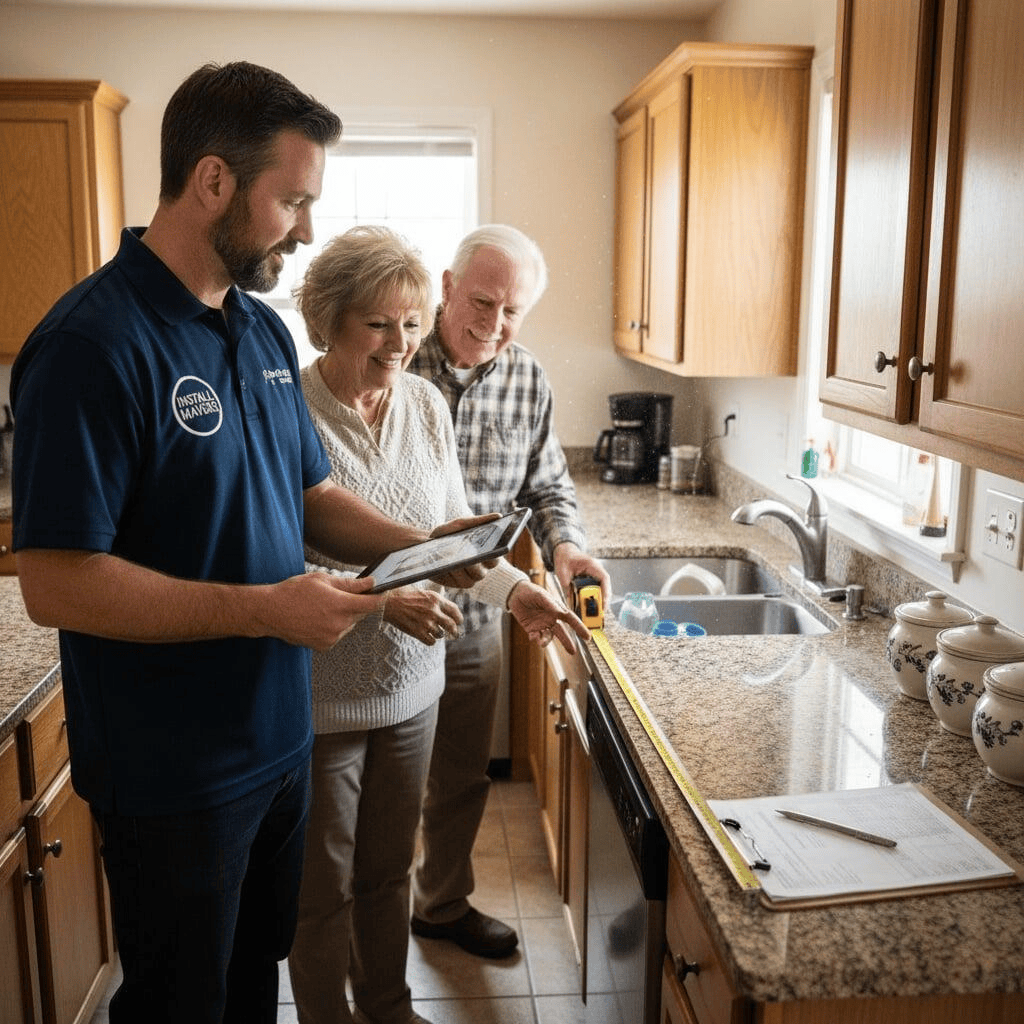
For seniors and their families considering kitchen modifications, I recommend starting with a comprehensive assessment that examines both current needs and anticipated changes. Prioritize modifications based on safety concerns and most-used areas, and remember that even modest changes—lever hardware, pull-out shelving in key cabinets, improved lighting—can make substantial differences in daily function and confidence.
The kitchen truly is the heart of the home. With thoughtful modifications, it can remain a space of independence, creativity, and connection throughout our later years—not despite aging, but as a natural adaptation to life's changes.
If you're in the Atlanta Metro area or Maryland and want to explore how kitchen modifications could support aging in place for yourself or a loved one, Install Mavens offers comprehensive assessments and ADA-compliant installations. Contact us at info@installmavens.com or (888) 962-8367 to schedule a consultation.
How much do kitchen modifications for seniors cost?
A: Kitchen modifications range from $500-$1,500 for essential safety features (lever hardware, pull-out shelving) to $5,000+ for comprehensive accessibility upgrades including lowered countertops and complete storage systems.
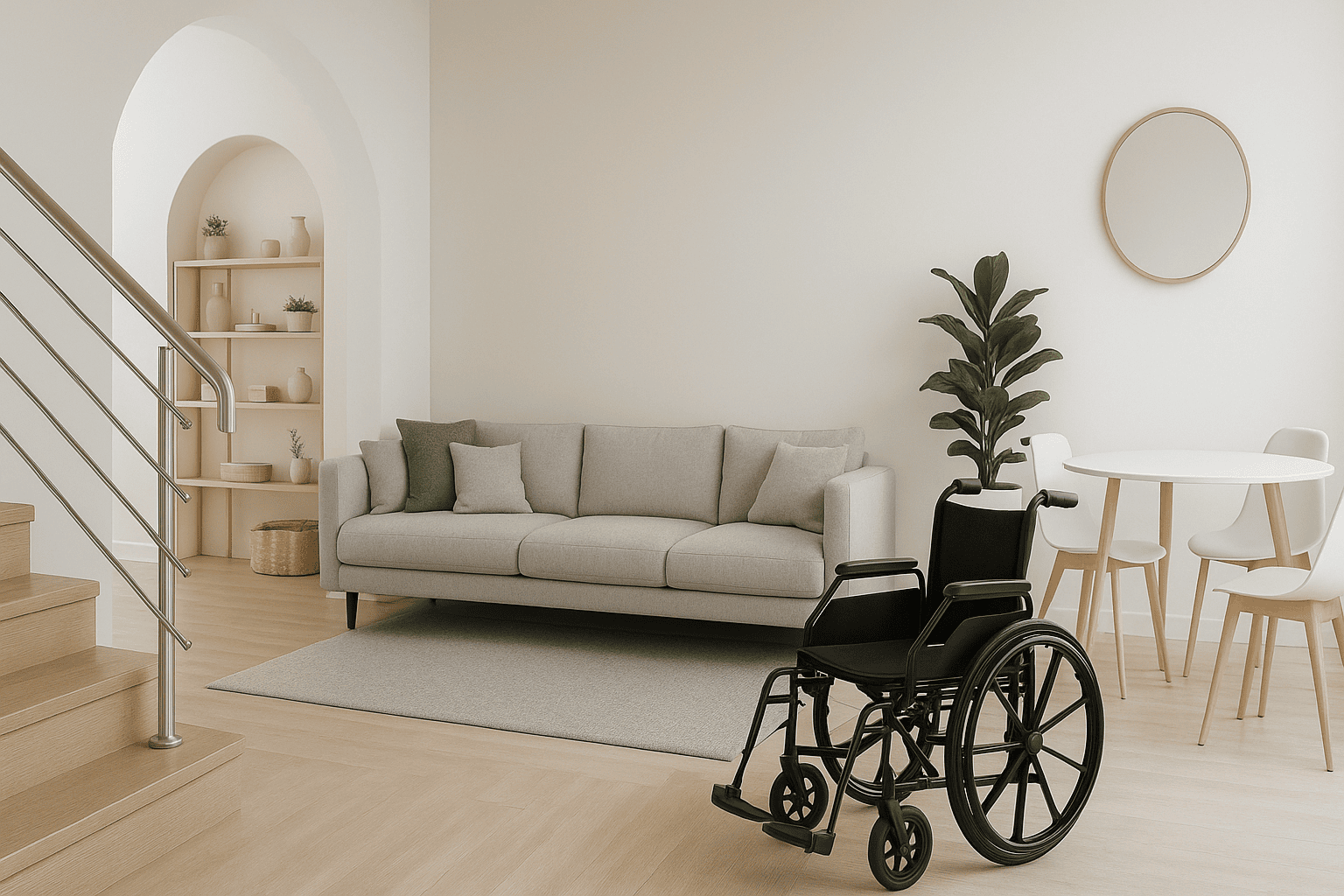
What is the ideal counter height for wheelchair users?
A: ADA-compliant accessible countertops should be 28-34 inches high for wheelchair users, with 30-32 inches being the most versatile height for seated work.

Are kitchen modifications tax deductible?
A: Medical necessity home modifications may qualify as tax-deductible medical expenses. Consult with a tax professional about your specific situation.